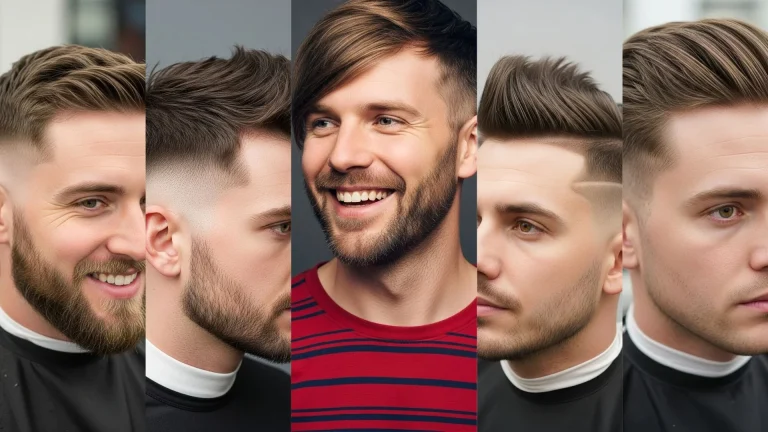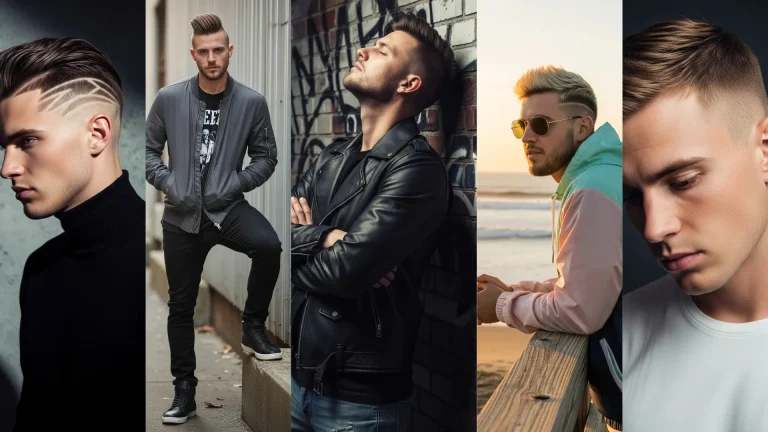
Edgar Haircut Guide 2025: Variations, Styling & Care
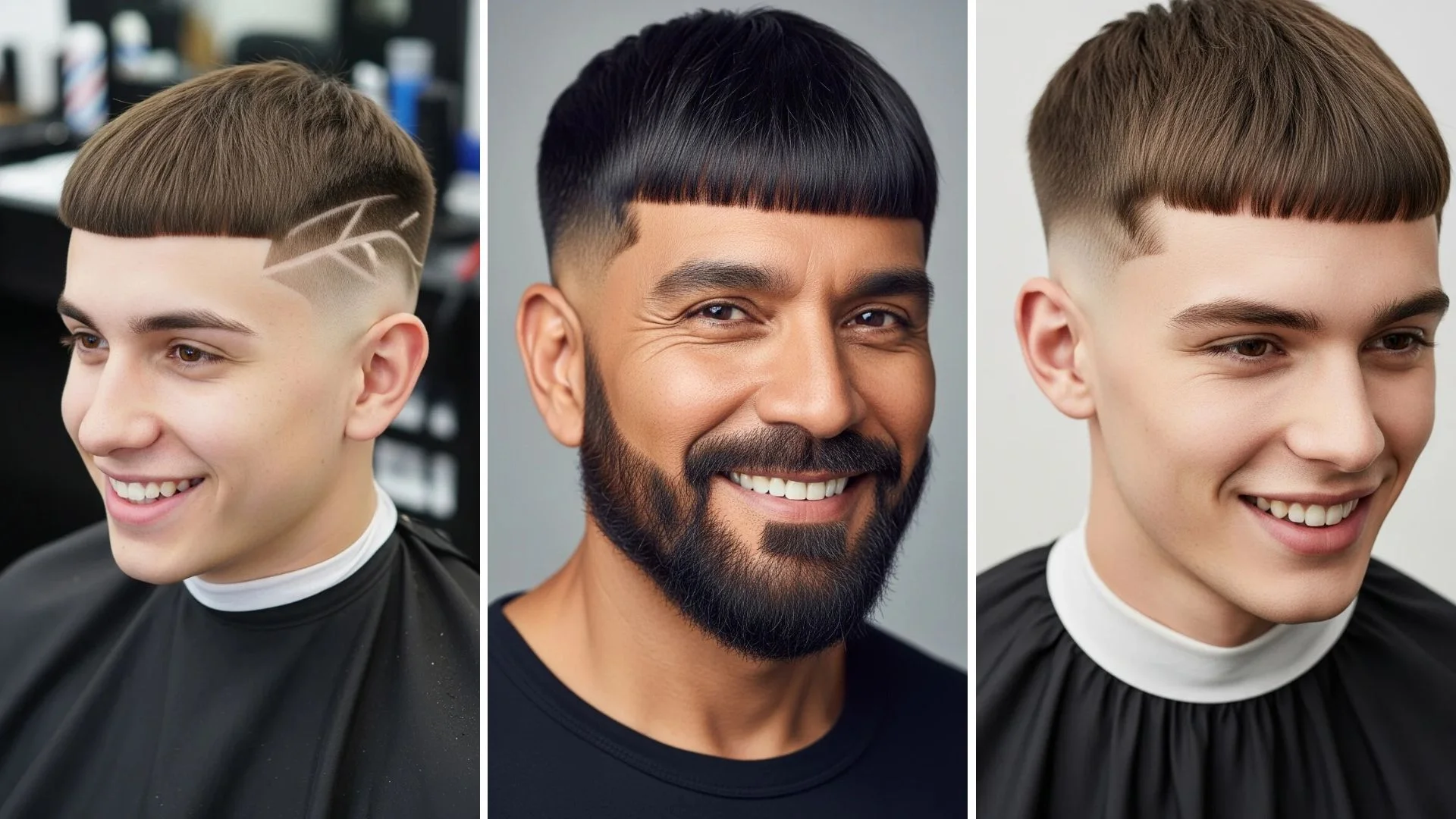
The Edgar haircut is a bold, graphic men’s cut known for its blunt, straight-across fringe and a clean contrast between a cropped top and tapered or faded sides. Rooted in Mexican and Mexican-American barbershop culture and spread widely via TikTok and Instagram, the Edgar reads modern and intentional — a statement look that’s easy to recognize.
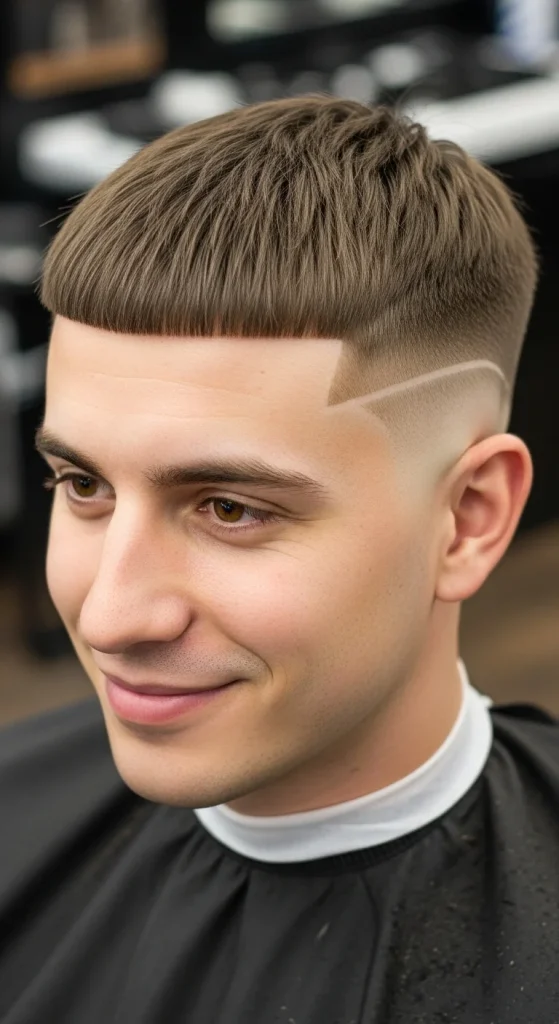
This guide explains the Edgar precisely (so you can show your barber the right references), lists its most popular variations, gives step-by-step styling and maintenance instructions, and answers the key questions people actually ask about the cut.
Origin and cultural background
The Edgar cut grew from regional barbershop trends in Mexico and Mexican-American communities. It spread beyond its roots through memes, tutorials, and short-form video, becoming a mainstream youth trend. While the name’s exact origin is disputed online, the haircut’s rise is clearly linked to community creativity and social sharing.
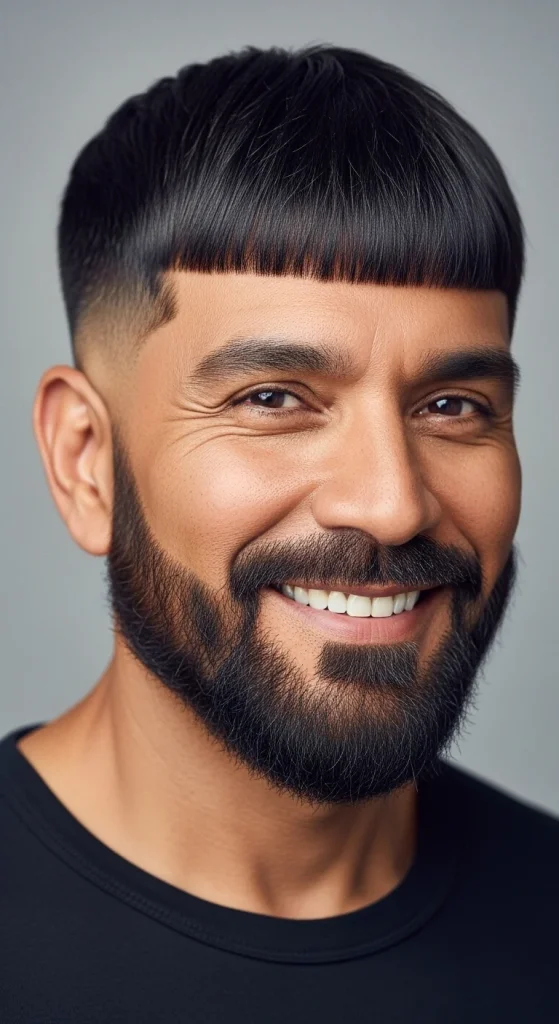
Popular Edgar cut variations
Classic Edgar / Blunt Edgar
The archetypal Edgar: a very short, straight-across fringe with a high taper or skin fade on the sides. Sharp, graphic, and instantly recognizable.
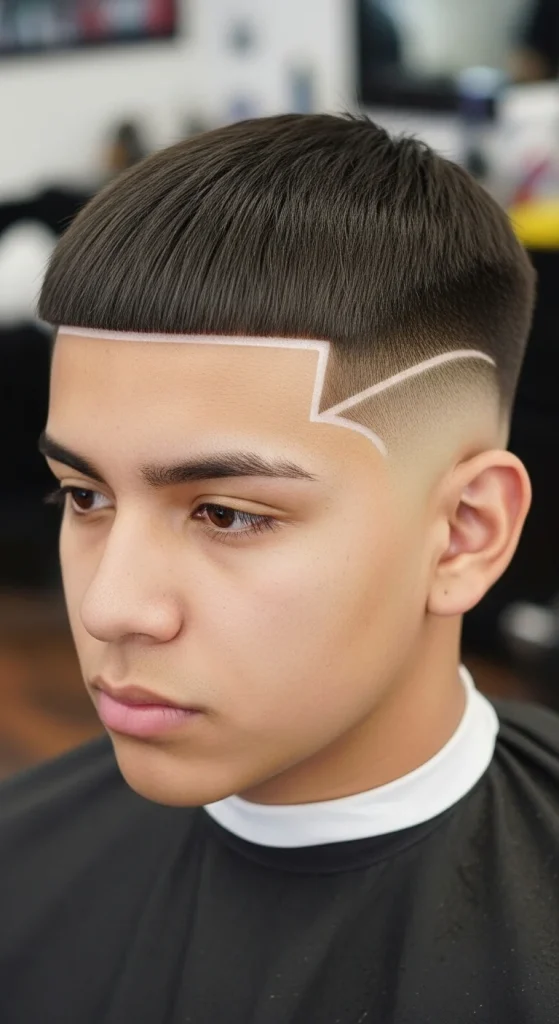
Fluffy Edgar
A softer take. The top is left longer and point-cut for airy movement; the fringe keeps its shape but reads less severe.
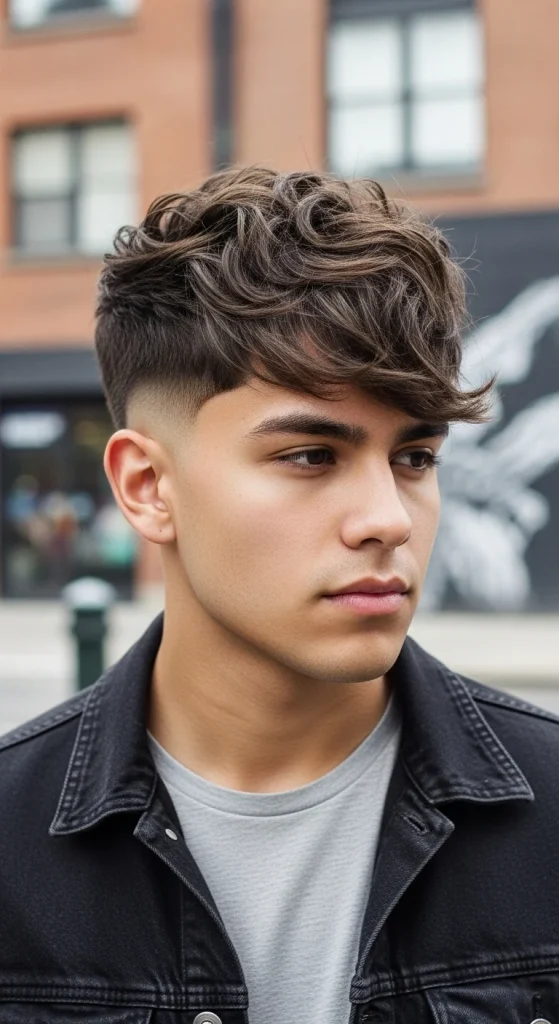
Taper Edgar
Uses scissor tapers (low, mid, or high) for a blended finish instead of a stark skin fade — more wearable in conservative settings.
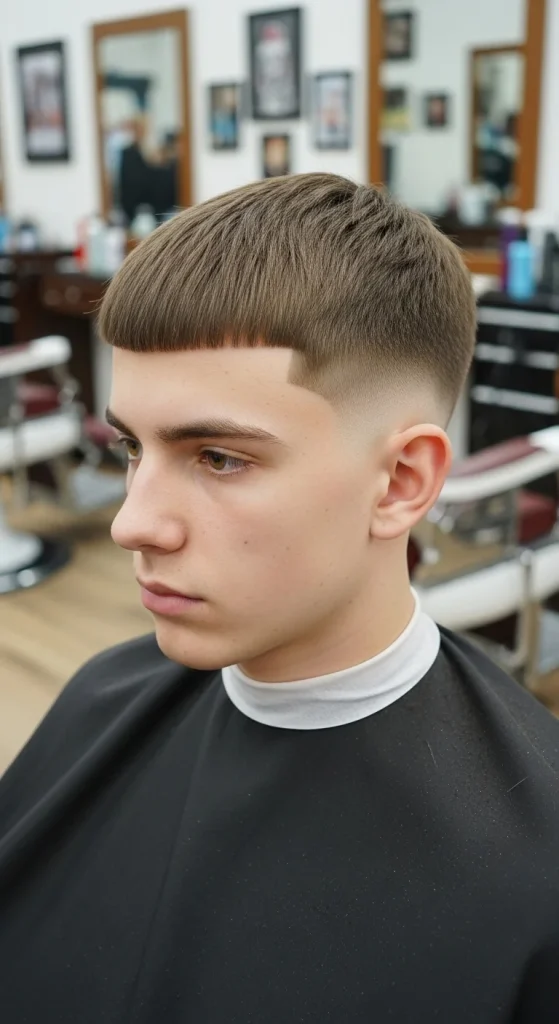
Low Taper Edgar
The taper starts lower near the ear line, reducing contrast between top and sides for a subtler silhouette.
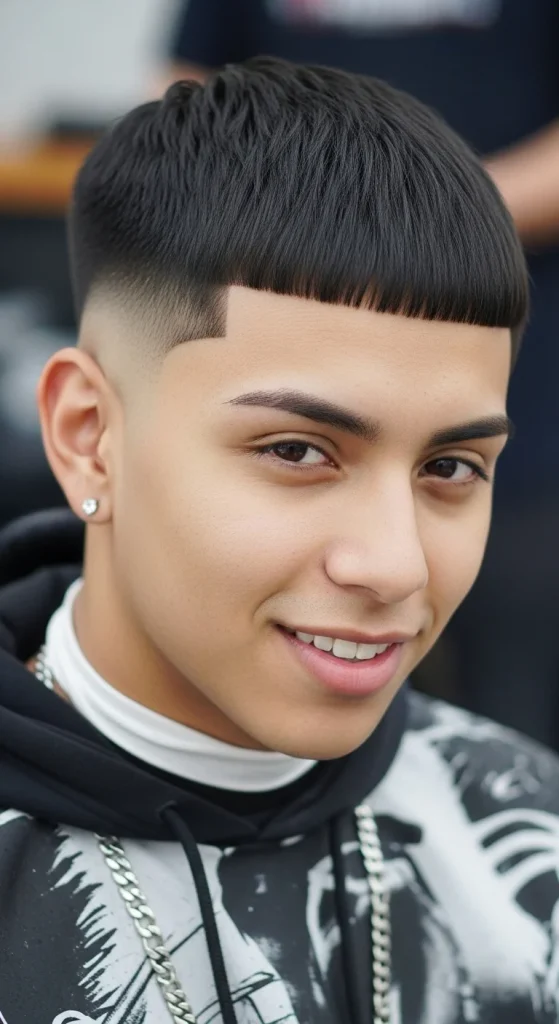
Mid Taper Edgar
A balanced option: noticeable contrast but less dramatic than a high taper — versatile for daily wear.
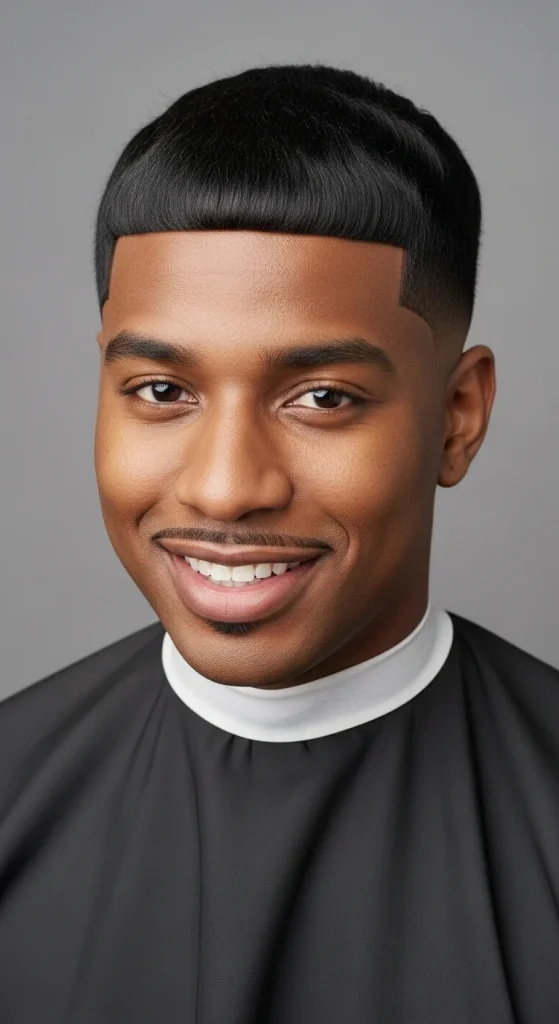
Curly Edgar
Adapted for natural curls: the top remains longer and is texturized so curls form naturally while the sides stay defined.
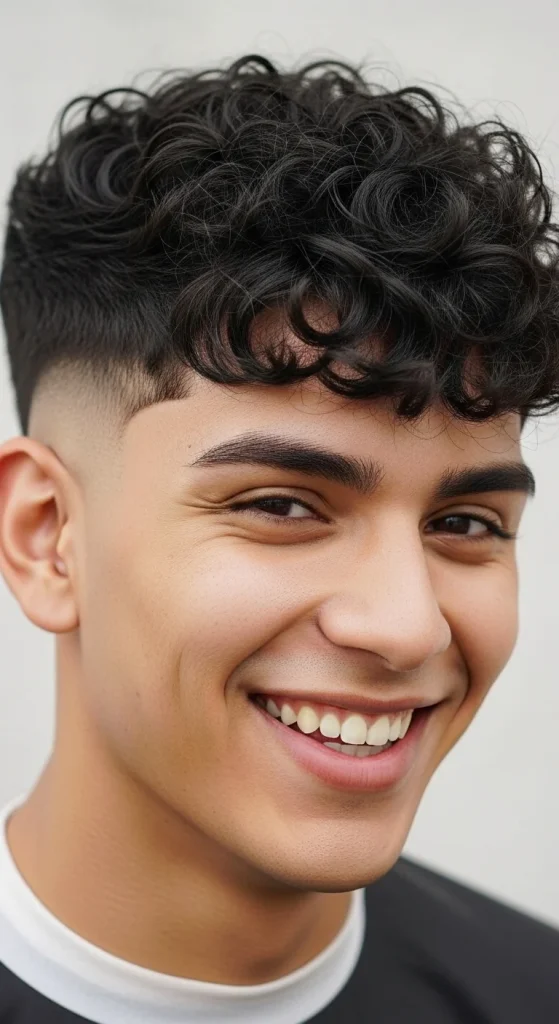
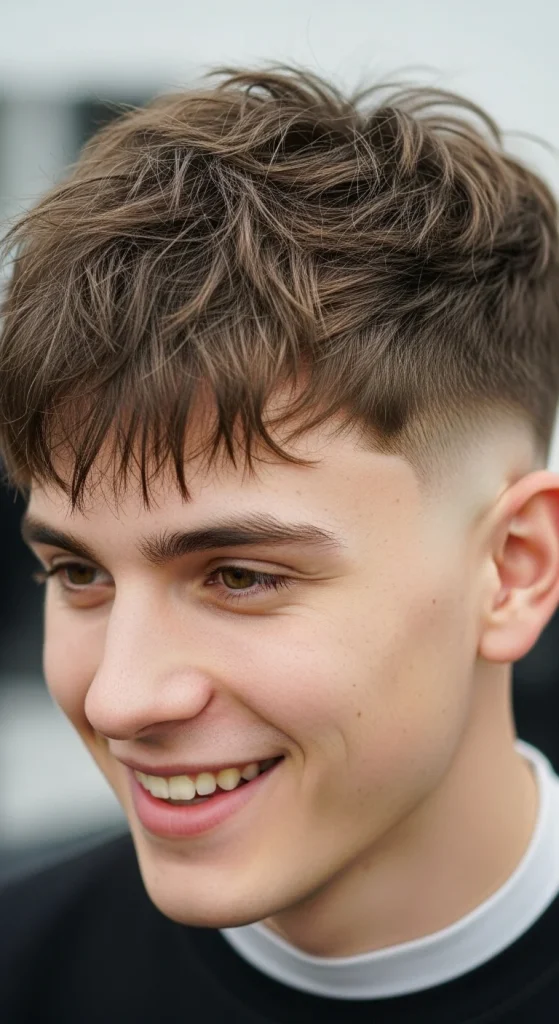
Modernized / Messy Edgar
A relaxed update with a slightly longer top, a softer fringe, and deliberate texture for a lived-in look.
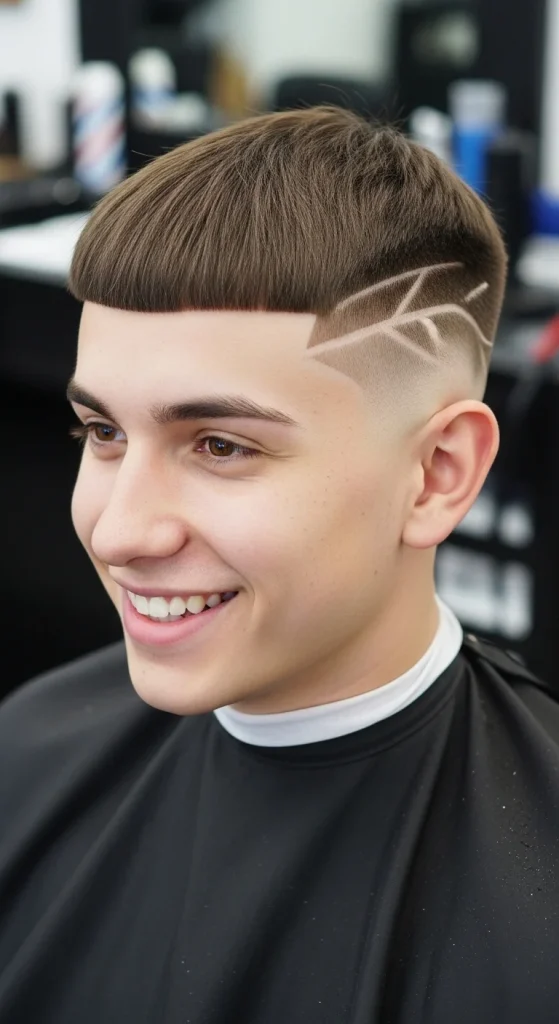
Edgar with Design
Customized fades or shaved patterns (lines, geometric shapes) added into the sides or back to personalize the cut.
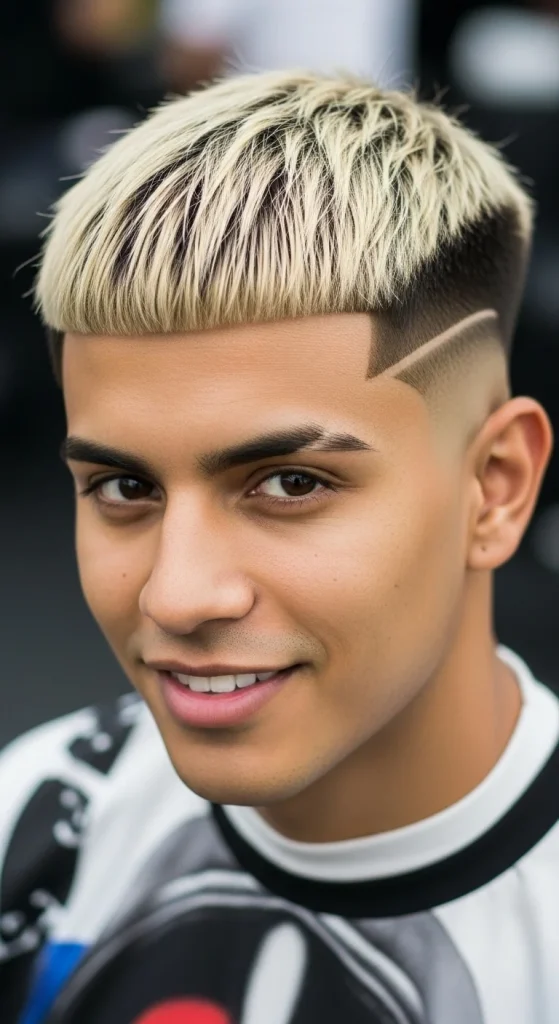
Color-Forward Edgar
Highlights or contrasting front pieces (e.g., honey-blonde) used to emphasize the fringe and add photo-ready drama.
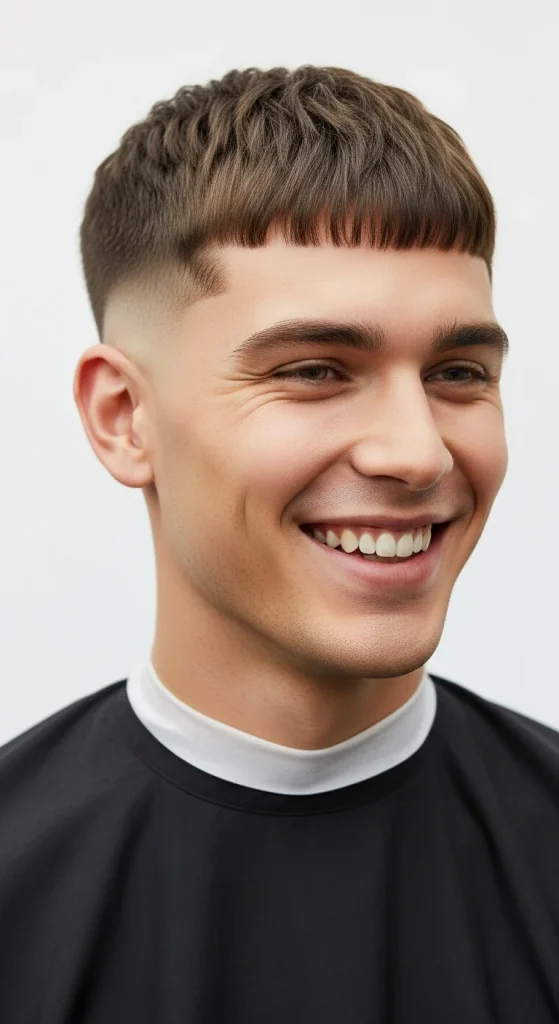
Short Edgar
An ultra-cropped top and blunt fringe for a minimal, low-maintenance statement.
How to ask your barber
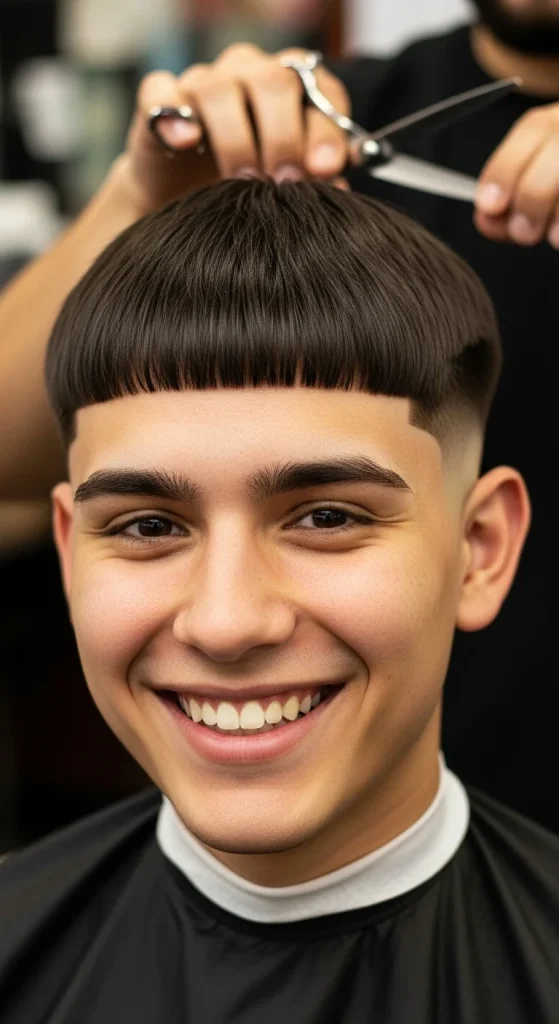
Bring 2 photos: one of the overall silhouette and one close-up of the fringe/texture. Use a short, specific script:
- “I want an Edgar haircut: cropped top with a blunt fringe about 1–2 inches [or specify cm], and a high/mid/low taper on the sides.”
- For a softer finish: “Point-cut the top for a fluffy Edgar.”
- For curls: “Keep the top longer and texturize — don’t over-thin.”
- For designs: “Add a single shaved line/design on the left/right side at about ear level.”
Styling the Edgar haircut
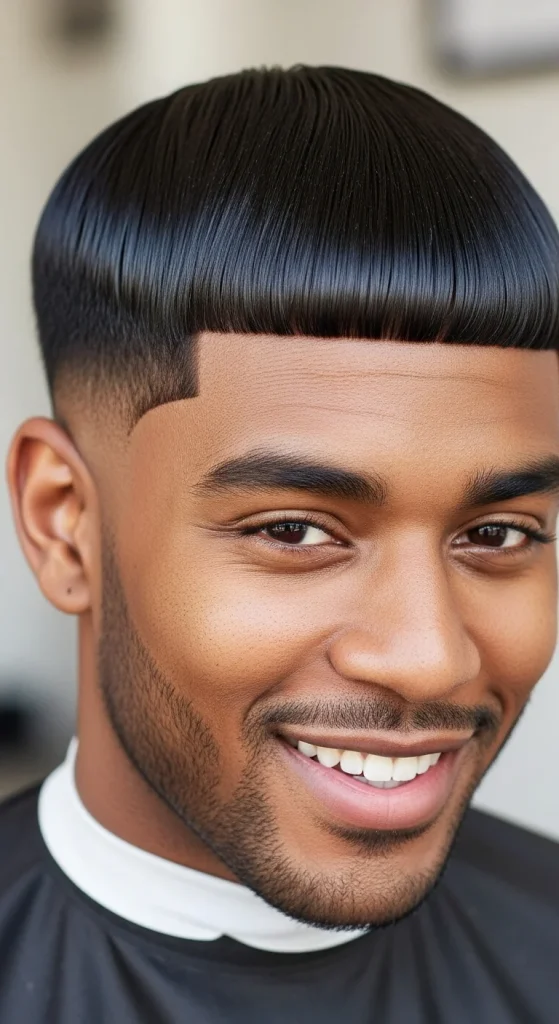
Quick styling steps (5–10 minutes)
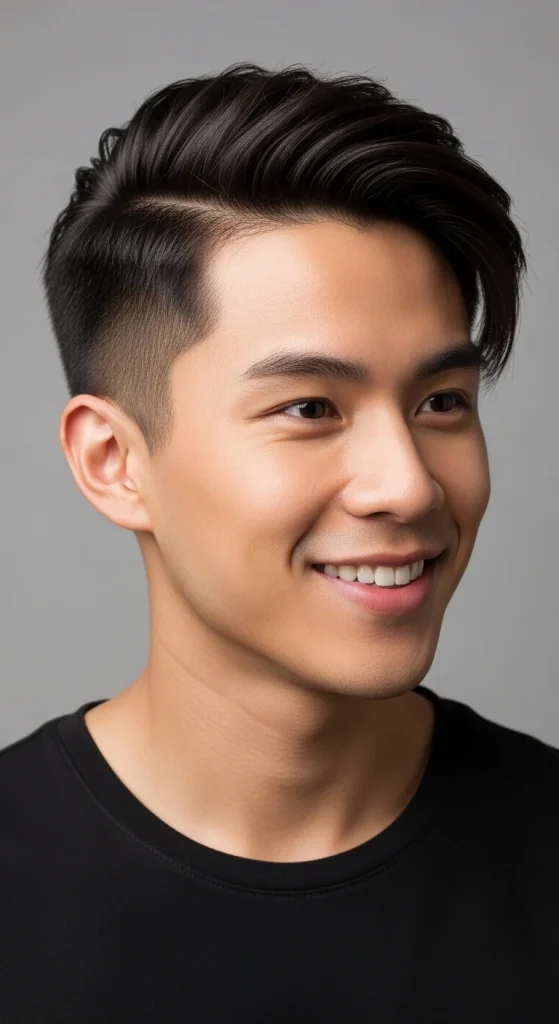
Tools & products
Towel, blow dryer (optional), sea-salt or texture spray, matte paste/clay, comb or fingers.
Routine
- Towel-dry to slightly damp.
- Spray texture spray through roots for grip.
- Rough-dry while lifting with fingers for volume (diffuse if curly).
- Rub a pea-sized amount of matte paste between palms, work through the top, and shape the fringe.
- For fluffy versions, use point-cutting and finger-style; for slick looks, apply light pomade and comb.
Maintenance and care
- Trim the fringe every 3–6 weeks to keep the blunt line crisp.
- Refresh fades or tapers every 3–5 weeks depending on how sharp you like the contrast.
- Curly Edgars need less frequent top trims but regular taper touch-ups.
- Color treatments require toning and conditioning — expect touch-ups every 6–8 weeks.
Who should consider the Edgar?
- Best on straight to slightly wavy hair; curly hair works when adapted.
- Flattering for oval and longer faces; round faces can soften the look with a fluffier top or lower taper.
- Ideal if you want a fashion-forward, high-impact cut and don’t mind regular trims.
Frequently Asked Questions
Q: What is an Edgar haircut?
A: A cropped men’s cut with a blunt, straight-across fringe and tapered or faded sides — distinctive for its boxy top and clean contrast.
Q: Where did the Edgar haircut come from?
A: It originated from Mexican and Mexican-American barbershop culture and spread widely through social media, memes, and tutorial videos.
Q: How do I ask my barber for an Edgar?
A: Show photos and say: “Cropped top, blunt fringe about 1–2 inches, and a high/mid/low taper.” Add “point-cut” for texture or “keep length” for curls.
Q: Can people with curly hair get an Edgar?
A: Yes — keep the top longer and ask your barber to texturize instead of over-thinning so the curls keep shape.
Q: How often should I trim an Edgar haircut?
A: Fringe trims every 3–6 weeks; fade/taper maintenance every 3–5 weeks.
Q: Why is it called the Edgar haircut?
A: The exact naming origin is unclear. The term likely emerged informally within communities and became mainstream through social sharing and memes.
Q: Are there professional or school rules against the Edgar?
A: Some institutions may restrict bold or unconventional cuts; rules vary by school or workplace, but the haircut itself isn’t banned universally.
The Edgar is a visually striking cut with many variations — from the severe blunt Edgar to soft, fluffy, or curly adaptations. With clear references and the right maintenance plan, it’s a wearable trend that’s easy to personalize.